CONSULTATION FORM
Book Your Veneer Consultation
Privacy Note: Your privacy is important to us. We will not share your information.
Who May Be Suitable for Dental Veneers?
01
Discoloured or Stained Teeth
02
Chipped, Cracked, or Worn Teeth
03
Gaps or Spacing Issues
04
Misshapen, Short, or Uneven Teeth
About Our Veneer Treatment at Dentalini
Convenient Milsons Point Location
On-Site 3D Imaging Technology
Dr. Preeti's Experience in Cosmetic Dentistry
Explore Veneer Options at Dentalini
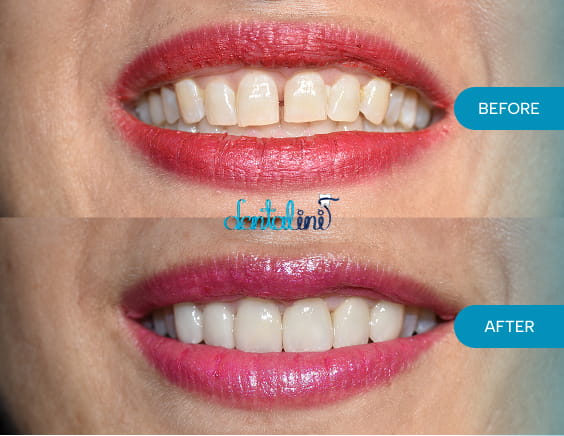
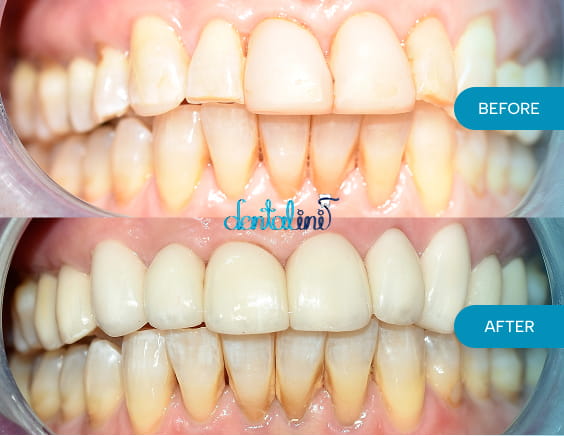
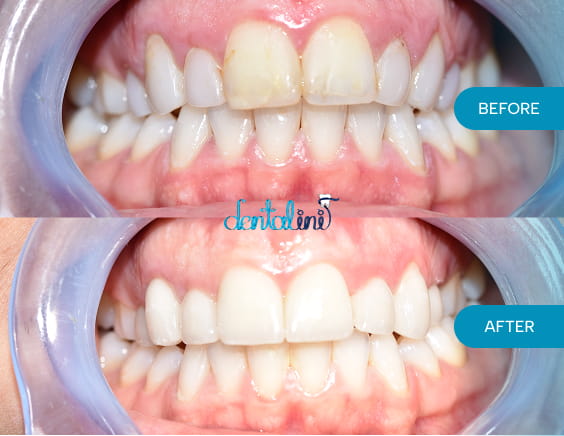
Veneer Treatment Examples at Dentalini
These clinical photographs are provided for educational purposes only. Individual results vary. Please read the disclaimer below before viewing.
Individual results vary. The outcomes shown are only relevant for these individual patients and do not necessarily reflect the results other patients may experience. Results depend on individual circumstances, including oral health, natural tooth structure, number of veneers, and ongoing care. These images should not be considered a guarantee of similar results. Any surgical or invasive procedure carries risks. Before proceeding, you should seek a second opinion from an appropriately qualified health practitioner.
Meet Your Dentist

Principal Dentist
General Dentist, DEN0001130682
Dr. Preeti R. Bharadwaj
Dr. Preeti brings over 15 years of clinical experience to Dentalini. With postgraduate training in oral implants from the University of Sydney, she combines technical skill with a patient-focused approach.
Areas of Focus
- Dental care for children, with additional training and keen interest in this area
- Geriatric dentistry, with particular focus on dental care for elderly patients
- Cosmetic dental procedures to enhance smile aesthetics
- Comprehensive general dentistry, including preventive care, periodontics, endodontics, and prosthodontics
Qualifications & Accreditation


Flexible Payment Options
payment plans

Total Lifestyle Credit
TLC offers payment plans from $2,000 to $50,000 for dental procedures. With competitive interest rates based on your credit score and no hidden fees, you can spread your investment into weekly repayments.
Terms and conditions apply:
A full credit assessment is required.
Total Lifestyle Credit, Australian Credit Licence 509691.
payment plans

SuperCare
Some patients may be eligible to access superannuation under the ATO’s Compassionate Release program for certain dental treatments. This option should only be considered after discussing clinical necessity with Dr. Preeti and seeking independent financial advice. Treatment recommendations are based on clinical need, not payment method availability.
Eligibility criteria apply:
Early release of superannuation may have significant financial and tax implications. SuperCare is a registered tax agent — not a financial adviser. You should consult an independent financial adviser before accessing superannuation for dental treatment.
Paypal
PayPal Pay in 4 lets you split purchases under $2,000 into four interest-free fortnightly payments — with no late fees. Pay 25% at checkout, then three automatic payments over six weeks.
Eligibility criteria and terms apply:
PayPal Credit Pty Limited, Australian Credit Licence 568848.

Your Veneer Questions Answered
The cost of porcelain veneers varies based on individual treatment needs and cannot be quoted without an examination. Several factors affect pricing, including the number of teeth involved, the complexity of your case, laboratory quality, and any additional preparatory work required. Dentalini, located in Milsons Point, offers porcelain veneers with personalised treatment planning.
Some health funds may provide partial cover for veneers under major dental, though this varies significantly by fund and policy level. Payment plans are available to help spread the cost of treatment. Dentalini provides a detailed quote after consultation and a comprehensive assessment.
According to a 2021 systematic review, porcelain veneers have a 10-year cumulative survival rate of 95.5%. Composite veneers, on the other hand, generally last five to seven years.
Longevity depends on multiple factors, including material type, oral hygiene habits, whether you grind your teeth, avoiding hard foods with front teeth, and regular dental check-ups. Veneers may need replacement eventually due to wear, staining, or debonding. With proper care and maintenance, many patients retain their porcelain veneers for over a decade. Dr. Preeti provides detailed care instructions to help maximise the longevity of veneers.
Research indicates that conventional porcelain veneer preparation typically requires the removal of 0.4-0.7mm of enamel from the tooth surface. This enamel removal is irreversible and necessary to accommodate veneer thickness and allow proper bonding. When performed properly on healthy teeth with adequate enamel, the remaining tooth structure is preserved and protected by the veneer.
Risks include temporary sensitivity after preparation and potential decay if oral hygiene is poor. The prepared tooth will always require a veneer or another restoration. Proper technique and careful case selection help minimise risks. Composite veneers may require less preparation, though tooth alteration remains irreversible.
A local anaesthetic is used during tooth preparation to minimise discomfort during the procedure. You may feel pressure during preparation, and numbness from the anaesthetic typically wears off after a few hours. Some sensitivity to hot and cold after preparation is common but usually temporary.
Temporary veneers protect your teeth during the fabrication period. Mild gum soreness around the preparation area may occur for one to two days. Discomfort levels vary between patients; your dentist will discuss what to expect and how to manage any discomfort at your consultation. After final veneers are bonded, sensitivity typically improves, and most patients adapt quickly to the feel of their new veneers.
Dr. Preeti provides detailed guidance on what to expect and how to manage any discomfort during and after the procedure.
Porcelain veneers are ceramic, offering translucent, natural-looking results with high stain resistance. They require two to three appointments. Composite veneers are made of resin and can often be completed in a single visit.
Both require tooth preparation, though composite may need less. Composite is more cost-effective and simpler to adjust if damaged. The choice depends on your priorities for longevity, aesthetics, and budget.
Modern porcelain veneers are designed to look like natural teeth when properly planned and placed. The customisation process includes shade matching to your surrounding teeth or selecting your desired brightness if addressing multiple teeth. Each veneer is custom-shaped to complement your mouth, face, and smile line.
The translucency of porcelain mimics natural enamel, catching and reflecting light in a similar way. Dentist skill and laboratory quality significantly influence the final appearance. Mock-ups or temporary veneers can preview results before final placement. Natural variation and subtle characteristics can be incorporated to avoid an overly uniform appearance.
The appearance of veneers is influenced by open communication about your aesthetic goals during consultation.
Results vary between patients depending on tooth condition, the number of veneers placed, and individual biological factors.Porcelain veneers are highly resistant to staining due to their non-porous, glazed surface. They do not absorb stains from coffee, tea, red wine, or smoking the way natural teeth can. Composite veneers are more porous and can stain over time, requiring more careful maintenance and potentially professional polishing.
For both types, the bonding cement at veneer margins can discolour in some cases. Gums may recede over time, exposing the prepared tooth edge. Good oral hygiene, regular professional cleaning, and limiting staining substances help maintain appearance. Composite veneers may need replacement sooner due to discolouration, while porcelain veneers maintain their colour much longer.
Dr. Preeti provides specific care instructions to help maintain your veneer appearance long-term.
The porcelain veneer process begins with an initial consultation, including examination, digital scans or impressions, and treatment planning. Your dentist will discuss your goals, the number of veneers recommended, and shade selection. At your preparation appointment, enamel is removed, impressions are taken, and temporary veneers are placed to protect your teeth.
Laboratory fabrication takes approximately one to two weeks. At your final appointment, temporaries are removed, veneers are checked for fit and shade, and bonding is completed with final adjustments. Follow-up appointments monitor your bite, comfort, and gum health around the veneers. The total timeline for porcelain veneers is typically two to three weeks.
Dentalini focuses on porcelain veneers for their durability and natural appearance.
Veneer treatment carries some risks and limitations to consider. A review of the literature indicates that preparation typically requires removal of 0.4-0.7mm of enamel, which is irreversible. Once prepared, your teeth will always need veneers or another restoration. While porcelain veneers have a 95.5% survival rate at 10 years, individual results vary.
Key risks and limitations include:
- A 2021 systematic review found 3.7% of porcelain veneers experienced fracture within 10 years.
- The same review showed 0.8% experienced debonding over 10 years.
- Veneers may not be suitable for severe bite problems or heavy grinding without nightguard protection.
- They do not address all alignment concerns, and orthodontics may be more appropriate in some cases.
- Sensitivity after preparation is possible, though it usually settles over time.
- Gum recession can expose the veneer margins over the years.
- Good oral hygiene around veneers is essential to help prevent decay at the margins.
- Composite veneers typically have a shorter lifespan of five to seven years compared to porcelain.
Results depend on oral health, daily habits, and adherence to care.
Suitable candidates are adults with cosmetic concerns about their smile and healthy gums without active periodontal disease. They should have adequate tooth enamel for preparation. Candidates with grinding habits should be willing to wear a nightguard. They should be committed to good oral hygiene and regular dental visits, and they understand the procedure's limitations, risks, and irreversibility of tooth preparation.
Factors that may affect candidacy for veneers include severe tooth decay requiring treatment first, active gum disease, insufficient enamel, or very thin teeth. Severe bite misalignment and heavy grinding without protection may also affect suitability. Very young patients whose teeth are still developing may need to wait.
Dr. Preeti can determine your specific suitability after a comprehensive examination.
Veneers can be designed to close small to moderate gaps between front teeth. Large gaps may require orthodontics or multiple veneers for an optimal outcome. For chips, veneers can cover and restore the appearance of chipped teeth when adequate tooth structure remains.
Regarding crooked teeth, veneers can address the appearance of minor misalignment by reshaping teeth to create the illusion of a straighter smile. This is a cosmetic improvement rather than actual tooth movement. Moderate to severe crowding or bite issues typically require orthodontic treatment for proper alignment.
Assessment determines whether a cosmetic approach with veneers is appropriate or if orthodontics would be more suitable. During your consultation, Dr. Preeti evaluates your specific concerns to determine whether veneers can achieve your goals or if alternative treatment is recommended.
Most private health funds may provide partial cover for veneers under major dental, though cover varies significantly by fund and policy level. Cosmetic procedures may be covered to varying degrees, or not at all, depending on your specific policy. Medicare does not typically cover cosmetic dental treatment.
We recommend checking with your health fund before proceeding and providing policy details and item codes. Some funds require pre-approval for major dental work. Cover may apply to both porcelain and composite veneers, though some funds differentiate between them. The Dentalini team can help verify your cover if you provide your health fund details and policy number.